10-Yard Dumpster
Ideal for small projects, like garage cleanouts.
Cost: Approx. $300
Effective waste management can be the difference between a smooth renovation and a chaotic one. As debris accumulates, having a clear plan for removal is not just beneficial—it's essential. Here’s how mastering debris hauling can elevate your renovation projects.
Understanding dumpster size options and their associated costs is vital for effective renovation planning.
Ideal for small projects, like garage cleanouts.
Cost: Approx. $300
Suitable for medium-sized renovations.
Cost: Approx. $400
Best for large construction projects.
Cost: Approx. $500
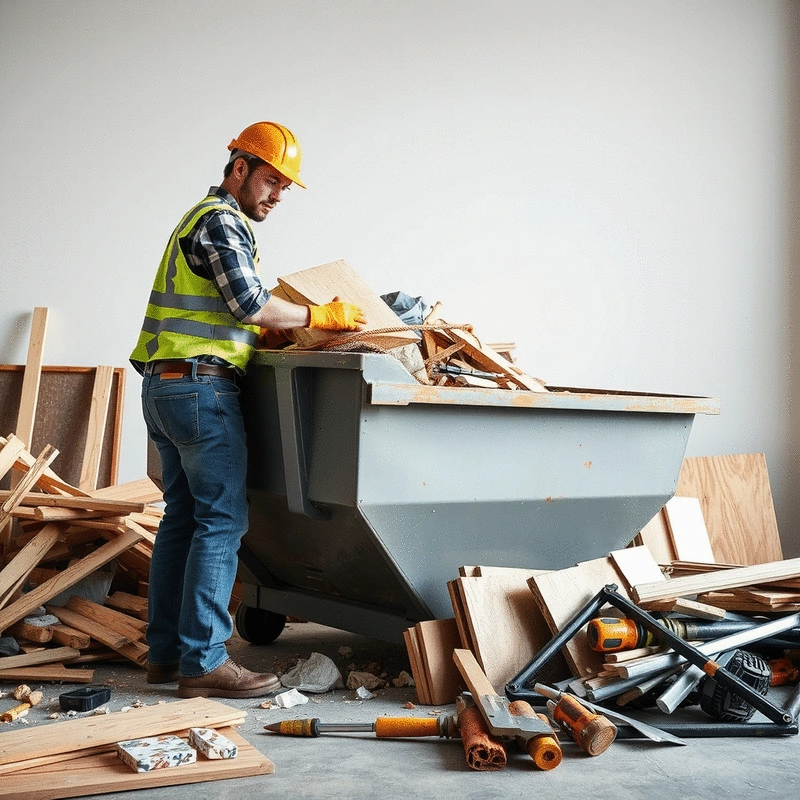
When diving into a renovation project, one of the most crucial aspects to consider is effective debris hauling. It might not be the first thing that comes to mind, but managing waste properly can make or break your project. Having a reliable rubbish removal service like Rubbish Lift can save you time and effort, ensuring your site remains organized and efficient throughout the process. For more insights on how to streamline your waste disposal, check out efficient rubbish removal solutions.
With renovations often generating a significant amount of debris, it’s vital to focus on how you will handle this waste. From heavy furniture to renovation debris, each item requires a tailored approach for efficient removal. By identifying the challenges early on, you can establish a clear plan that keeps your project on track.
Debris removal can present multiple challenges that may disrupt your renovation timeline. Here are some common issues you may encounter:
By recognizing these challenges early, you can prepare effectively. As a seasoned expert in rubbish removal, I’ve seen how planning can alleviate stress and lead to a smoother operation.
Planning your debris removal is as important as any other part of your renovation project. A well-thought-out plan can help you minimize delays and keep your project on schedule. Here are some reasons why proper planning is essential:
At Rubbish Lift, we understand that a successful renovation is built on solid planning. By anticipating your debris needs, you can focus on what truly matters—transforming your space into something remarkable! For instance, understanding responsible ways to dispose of furniture can be a key part of your planning.
When planning your debris removal strategy, consider integrating a digital waste management tool. These tools can streamline communication, track materials in real-time, and ensure that everyone on your team is aligned with the debris removal plan. By leveraging technology, you can enhance efficiency, reduce errors, and keep your renovation project on track.
When it comes to making sense of complex information, visual engagement is key. Infographics serve as powerful tools that can simplify ideas, turning dense data into easy-to-understand visuals. This is especially true in the context of debris hauling, where sorting materials and understanding equipment can be overwhelming. By integrating infographics into your renovation strategy, you can enhance communication with your team and streamline the workflow.
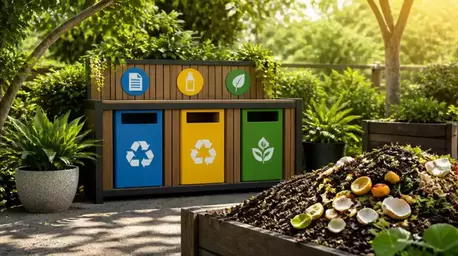
One of the first steps in developing effective visual aids is to create guides for material sorting. These guides can outline the various types of materials you'll encounter and how to categorize them. For instance, you can design graphics that illustrate proper sorting of recyclable materials versus non-recyclables, making it easier for your crew to follow the process. By providing clear visuals, you'll help ensure that everyone on site is on the same page!
Visual guides can be an incredibly effective way to reinforce the importance of sorting materials during debris removal. These guides should include key categories, such as:
By laying out these categories visually, you can help your team quickly identify what goes where. This not only promotes efficiency but also supports sustainability efforts, which is a core value at Rubbish Lift.
Another valuable infographic involves comparing dumpster sizes and costs. When planning a renovation, it's crucial to choose the right size dumpster to avoid overloading or underutilizing your space. Consider the following options:
Including cost comparisons for each size can help your team make informed decisions. This can also facilitate transparent discussions about budgeting, aligning with our commitment to transparent pricing at Rubbish Lift.
In the world of debris hauling, questions often arise that can impact project efficiency. Addressing these frequently asked questions can provide clarity and enhance the overall process. Let’s tackle some common queries that you might have!
Understanding what a debris removal plan entails is vital. It essentially outlines how you'll manage the waste generated during a renovation, ensuring that materials are handled safely and efficiently. A well-structured plan can save time and money, which are critical for any renovation project.
A debris removal plan lays out the steps needed for effective waste management. Key components often include:
Having a plan in place not only streamlines the process but also aligns with legal requirements, ensuring you're on the right side of the law. For advice on handling specific types of waste, you might want to look into local appliance disposal options.
Technology offers numerous tools to help track waste effectively. Apps and software can provide real-time updates on pickups and material sorting. Utilizing these technologies leads to:
Investing in these tools can greatly enhance the efficiency of your debris removal efforts!
Understanding the environmental impacts of debris removal is crucial in today’s eco-conscious world. Studies often focus on how effective waste management can:
These insights not only help us understand our impact but also guide us in making better decisions for the future. For instance, considering responsible ways to dispose of furniture can significantly reduce landfill burden.
Summarizing the key strategies for effective debris removal can solidify your understanding. Let's recap some of the best practices that can lead to successful handling of renovation debris!
By implementing these strategies, you can improve your renovation projects significantly!
As you move forward with your renovation projects, I encourage you to put these best practices into action. Not only will they enhance efficiency, but they also contribute to a cleaner, healthier environment. Remember, at Rubbish Lift, we're always here to support you with reliable rubbish hauling solutions that align with your goals!
Finally, consider incorporating sustainable practices into your renovation projects. Engaging with community recycling programs can amplify your efforts and foster a sense of community responsibility. This approach not only benefits your project but also helps preserve our planet for future generations. Let’s work together to create a cleaner, greener world!
Here is a quick recap of the important points discussed in the article:
Ethan Grayson is a seasoned expert in waste management and rubbish removal, committed to providing practical solutions for both residential and commercial needs. With years of experience in the field, Ethan specializes in efficient hauling services that cater to contractors, landlords, and homeowners undergoing renovations. His no-nonsense approach and dedication to transparent pricing make him a trusted voice in the industry.