Effective waste management is a cornerstone of a successful home renovation, impacting safety, efficiency, and environmental sustainability. Navigating the complexities of rubbish removal can transform your project from chaotic to organized. With the right strategies and knowledge, you can ensure a smoother renovation experience that benefits both you and the planet.
What You Will Learn
Prioritize Waste Management: Planning for rubbish removal early prevents delays and additional costs during your renovation.
Enhance Safety and Efficiency: A clutter-free workspace minimizes accidents and allows for faster progress.
Mitigate Environmental Impact: Proper rubbish disposal reduces landfill overflow and promotes recycling, benefiting the environment.
Identify Hazardous Materials: Recognizing hazardous materials like asbestos and lead paint ensures safety and compliance with regulations.
Implement Best Practices: Use municipal depots and licensed facilities for safe disposal of hazardous waste.
Establish a Cleanup Workflow: Create an organized plan for debris removal post-renovation to enhance efficiency and safety.
Measure Sustainability: Track recycling and landfill diversion rates to assess the effectiveness of your waste management strategies.
Compare Rubbish Removal Options: Use comparison tables to evaluate different rubbish removal services for your renovation needs.
Metrics for Effective Waste Management in Renovations
Understanding the key metrics for waste management can help assess the effectiveness of your renovation project. Below are important metrics to consider for improving waste management strategies, along with tips for minimizing waste in home renovations:
Recycling Rate
Calculate the percentage of materials recycled versus the total waste generated for a clearer understanding of your sustainability efforts.
Landfill Diversion Rate
Measure how much waste was diverted from landfills through recycling and reuse, highlighting the efficiency of your waste management practices.
Cost Analysis
Assess cleanup costs against the savings gained through effective waste management practices to ensure budget efficiency.
Environmental Impact
Evaluate the environmental footprint of your waste management practices to enhance sustainability and responsibility.
Understanding Rubbish Removal Solutions for Home Renovations
When you're diving into a home renovation, one of the most important aspects to consider is how to manage the waste generated throughout the process. Effective waste management isn't just about getting rid of junk—it's about keeping your project organized, safe, and environmentally friendly. As someone who’s been in the rubbish removal industry for years, I can assure you that understanding rubbish removal solutions can significantly enhance your renovation experience.
By planning for rubbish removal early on, you can avoid unnecessary delays and additional costs. It’s not just about throwing everything in a dumpster; it’s about recognizing the impact that proper removal has on your project’s success. Ultimately, a clean workspace leads to greater efficiency, allowing you to focus on what really matters—transforming your space!
Identifying the Importance of Effective Waste Management
Effective waste management is key to any renovation project. Here's why:
Safety: A clutter-free workspace minimizes the risk of accidents.
Efficiency: Reduces time spent on cleanup and allows for quicker progress.
Environmental Responsibility: Proper disposal methods help mitigate environmental harm.
During my time at Rubbish Lift, I’ve noticed that clients who prioritize waste management often have smoother renovations. By understanding the breadth of your waste management options, you can significantly enhance your project’s efficiency and sustainability, similar to how efficient rubbish removal solutions can streamline any project.
How Proper Rubbish Removal Enhances Renovation Projects
Proper rubbish removal can truly elevate your renovation experience. Here are a few ways it can make a difference:
Streamlined Processes: Keeping rubbish at bay leads to a more orderly environment.
Increased Focus: A clean space allows contractors and homeowners to focus on the task at hand.
Improved Aesthetics: A tidy workspace makes a positive impression on everyone involved.
At Rubbish Lift, we believe that every project deserves a clean slate. Realizing the benefits of effective rubbish removal can transform your renovation from a chaotic mess into a smooth, enjoyable experience!
Understanding the Environmental Impact of Renovation Waste
Renovation waste can have a significant environmental impact if not managed properly. This includes:
Landfill overflows, which contribute to soil and water pollution.
Increased carbon footprint due to unnecessary transportation of waste.
Loss of valuable materials that could be reused or recycled.
Every piece of waste counts! As you embark on your renovation journey, consider the environmental footprint of your project. By partnering with responsible rubbish removal services like Rubbish Lift, you can ensure that your waste is disposed of in an eco-friendly manner, supporting both your project and the planet!
Quick Summary
Here's a brief recap of the key points discussed so far:
Effective Waste Management: Essential for safety, efficiency, and environmental responsibility during home renovations.
Hazardous Materials: Identifying and safely disposing of hazardous waste is crucial for maintaining a safe renovation environment.
Post-Renovation Cleanup: Establishing a clear cleanup workflow enhances productivity and ensures a tidy space.
Handling Hazardous Waste: Safety First
When embarking on a renovation, it’s crucial to identify hazardous materials that could pose risks to you and your team. Common items like paints, solvents, and asbestos often lie hidden in homes, waiting to cause trouble. Understanding what these materials are and how to handle them safely can make all the difference in your project’s success and your safety!
For instance, paints and solvents can release harmful fumes if not managed properly. On the other hand, asbestos is a serious health hazard that requires special attention. If you suspect the presence of hazardous materials, it's best to consult with professionals, such as those at Rubbish Lift, who can guide you through the processes safely.
Identifying Hazardous Materials in Renovation Projects
Recognizing hazardous materials isn't just about safety; it's also about adhering to legal requirements. Here are some common hazardous materials you might encounter:
Lead Paint: Often found in homes built before 1978, this paint can cause serious health issues.
Asbestos: Used for insulation and other purposes, it requires professional handling and disposal.
Solvents: Many cleaning and thinning products can be harmful if inhaled or improperly disposed of.
Chemical Cleaners: These can be toxic and need careful handling and disposal.
By identifying these hazardous materials early on, you can ensure a safer renovation environment. Always prioritize safety and don’t hesitate to reach out to experts for assistance! For more detailed guidance, consider these renovation debris disposal tips.
Best Practices for Safe Disposal of Hazardous Waste
Once you've identified hazardous materials, the next step is safe disposal. Here are a few best practices to keep in mind:
Utilize Municipal Hazardous Waste Depots: Many local governments offer designated drop-off sites for hazardous waste.
Engage Licensed Facilities: For major projects, consider hiring professionals who specialize in hazardous waste disposal.
Follow Local Regulations: Make sure you’re aware of the laws regarding hazardous waste in your area to avoid fines or legal issues.
By following these practices, you can help protect not only your health but also the environment. Remember, improper disposal can lead to contamination and hefty fines!
Final Cleanup and Post-Renovation Waste Management
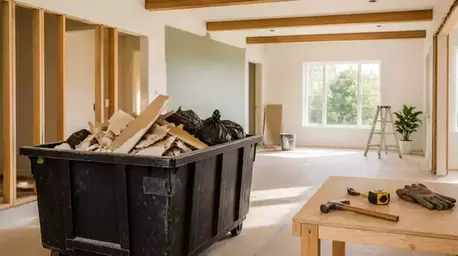
After your renovation is complete, the final cleanup is critical. Establishing an on-site cleanup workflow can enhance efficiency and make the process smoother. Keeping renovation areas clear of debris not only creates a safe workspace but also allows your project to shine!
Having a clear plan helps everyone involved know what to do and when to do it. Consider assigning specific tasks to team members and create a checklist to ensure nothing is overlooked. Remember, a clean space is a productive space!
Establishing an On-Site Cleanup Workflow
Here are some steps to establish an effective cleanup workflow:
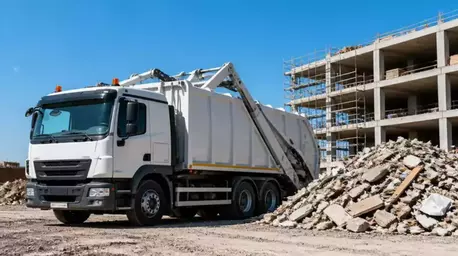
Organize Regular Debris Removal: Schedule frequent pickups to keep the site clean.
Designate Trash and Recycling Areas: Make it easy for everyone to dispose of waste correctly.
Assign Cleanup Roles: Ensure every team member knows their responsibilities during the final cleanup.
With these steps, you can keep your renovation site organized and efficient, allowing you to focus on enjoying your newly transformed space!
Measuring Sustainability: Metrics for Waste Diversion
After the dust settles, it’s important to measure how well you managed waste during your renovation. Understanding recycling percentages and landfill reduction goals can help you assess the effectiveness of your waste management strategy.
Here are some metrics to consider:
Recycling Rate: Calculate the percentage of materials recycled versus the total waste generated.
Landfill Diversion Rate: Measure how much waste was diverted from landfills through recycling and reuse.
Cost Analysis: Assess cleanup costs against the savings gained through effective waste management practices.
At Rubbish Lift, we believe that clear metrics can help not only improve your future projects but also contribute to a healthier planet. Every effort counts!
Engaging with Rubbish Removal Services: Making Informed Choices
When it comes to rubbish removal, making informed choices can save you time and hassle. With various options available, it's essential to compare services and understand what each provider offers. This ensures that you select the best fit for your renovation project!
Using comparison tables can make this process much easier. Let’s break down some essential factors:
Using Comparison Tables for Rubbish Removal Options
Here’s a quick guide to help you compare different rubbish removal methods:
Service
Pros
Cons
Skip Hire
Cost-effective for large volumes
Requires space on site
Junk Removal
Convenient and quick
Can be pricier for small loads
Self-Haul
Control over disposal
Requires time and effort
By reviewing these options, you can select the right rubbish removal service that meets your needs. At Rubbish Lift, we’re here to help you navigate these choices and ensure your renovation is as smooth as possible! For more details on various services, explore options for hauling renovation debris.
Answering Common Questions About Rubbish Removal
As you prepare for your renovation, you might have some common questions about rubbish removal. Here’s a look at a few frequently asked questions:
What are the best waste management strategies? Consider using a combination of recycling, donation, and proper disposal to minimize waste.
How can I ensure safe disposal of hazardous materials? Utilize licensed facilities and municipal drop-off sites for proper disposal.
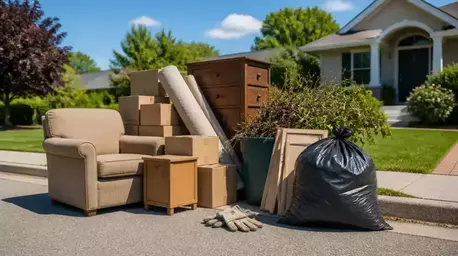
What should I do with bulk waste? Many rubbish removal services, including Rubbish Lift, can assist with bulk pickups!
Frequently Asked Questions (FAQs)
Why is effective waste management important for home renovations?
Effective waste management is crucial for home renovations because it enhances safety by keeping the workspace clutter-free, improves efficiency by reducing delays, and promotes environmental responsibility through proper disposal and recycling.
What are the key metrics for assessing waste management effectiveness?
Key metrics include the Recycling Rate (percentage of materials recycled), Landfill Diversion Rate (waste diverted from landfills), Cost Analysis (cleanup costs versus savings), and Environmental Impact (overall footprint of waste practices).
How can I identify hazardous materials during a renovation?
Common hazardous materials include lead paint (in homes built before 1978), asbestos (used for insulation), solvents, and chemical cleaners. It's important to be aware of these and consult professionals if you suspect their presence.
What are the best practices for disposing of hazardous waste?
Best practices involve utilizing municipal hazardous waste depots, engaging licensed facilities for professional handling, and strictly following local regulations to ensure safe and compliant disposal.
How can I establish an efficient on-site cleanup workflow?
To establish an efficient workflow, organize regular debris removal, designate clear trash and recycling areas, and assign specific cleanup roles to team members. This keeps the site organized and productive.
For more insights, reach out to experienced renovators or rubbish removal experts who can share their wisdom. Whatever your project entails, remember: it's all about making informed, safe choices! You might also find valuable information on rubbish removal for renovation projects.
Recap of Key Points
Here is a quick recap of the important points discussed in the article:
Plan Early for Waste Management: Incorporate rubbish removal strategies from the beginning to avoid delays and keep the renovation organized.
Prioritize Safety: Maintain a clutter-free workspace to minimize accidents and enhance project efficiency.
Identify Hazardous Materials: Be aware of dangerous materials such as lead paint, asbestos, and solvents to ensure safe handling and disposal.
Utilize Proper Disposal Methods: Use municipal hazardous waste depots and licensed facilities to dispose of hazardous materials responsibly.
Establish a Cleanup Workflow: Organize regular debris removal and assign cleanup roles to streamline the post-renovation process.
Measure Sustainability Metrics: Track recycling rates and landfill diversion to assess the effectiveness of your waste management strategies.
Make Informed Choices for Rubbish Removal: Compare different rubbish removal services to find the best option for your renovation needs.
Ethan Grayson
Ethan Grayson is a seasoned expert in waste management and rubbish removal, committed to providing practical solutions for both residential and commercial needs. With years of experience in the field, Ethan specializes in efficient hauling services that cater to contractors, landlords, and homeowners undergoing renovations. His no-nonsense approach and dedication to transparent pricing make him a trusted voice in the industry.

Popular Posts
Preparing for Rubbish Removal Day
What if a single day could transform your cluttered space into an organized haven? Effective prepara
Rubbish Lift is dedicated to empowering homeowners, contractors, and landlords with efficient and reliable rubbish removal solutions. Our mission is to simplify the waste management process and provide you with practical insights for a clutter-free space.
Start your rubbish removal journey by assessing your clutter. Identify heavy furniture or appliances that need to go—it's the first step toward reclaiming your space!
Don't underestimate the importance of clear pricing. A trustworthy rubbish removal service will provide upfront quotes, keeping you informed without hidden fees!
Utilize professional hauling services for heavy items. Their equipment ensures safe and efficient loading, keeping your renovation project on track!
Plan your rubbish removal around your renovation schedule. Coordinating pickups can save time and ensure a smooth workflow for your project.
Focus on eco-friendly disposal options. Choosing a service that prioritizes recycling helps reduce landfill waste and supports sustainability.
Leverage your local rubbish removal expertise. Hiring local professionals means you're supported by those who know the area and its regulations.
Communicate clearly with your rubbish removal team. Discuss your specific needs and timelines to ensure a hassle-free service experience.
Regularly review your rubbish removal service options. Keeping up with local services ensures you have the best choices available when you need them.
Use user-friendly service websites for bookings. A clear and simple booking process makes scheduling your rubbish removal stress-free.
Implement a checklist for your junk removal. Knowing what to prepare can expedite the process, ensuring your home is clutter-free in no time.
Encourage friends and family to help. Personal connections can lighten the load and make the rubbish removal process a community effort!
Monitor the condition of your items before removal. Knowing what can be reused or recycled helps reduce waste and supports your community.
Include a clear call-to-action with every rubbish removal inquiry. This boosts engagement and guides you toward reclaiming your space efficiently!