Donation
Often free, but you may miss out on potential disposal rebates.
As a landlord, every decision you make can impact not only your property but also your tenants' well-being. Did you know that improper disposal of heavy items could lead to serious legal repercussions? Understanding the ins and outs of responsible disposal is essential. Here's what you will learn about managing heavy item disposal effectively.
Explore the financial implications of various disposal options for heavy items, highlighting the costs associated with each method.
Often free, but you may miss out on potential disposal rebates.
Fees can range from minimal to moderate, depending on local regulations.
Typically costs between $300 to $600, depending on size and duration.
Usually ranges from $100 to $1,000, depending on volume and type.
As a landlord, you have a duty to manage your properties not only ethically but also legally. This means understanding your responsibilities regarding the disposal of heavy items. If you fail to dispose of items properly, you could face liabilities, including fines or being held accountable for safety hazards.
It’s crucial to recognize that improper disposal can lead to serious consequences, not just for your property but also for your tenants. Responsible disposal ensures a safe living environment and upholds your reputation as a reliable landlord. Don't take these responsibilities lightly; they are vital for maintaining a positive relationship with your tenants! For more insights, check out our guide on rubbish removal for landlords made easy.
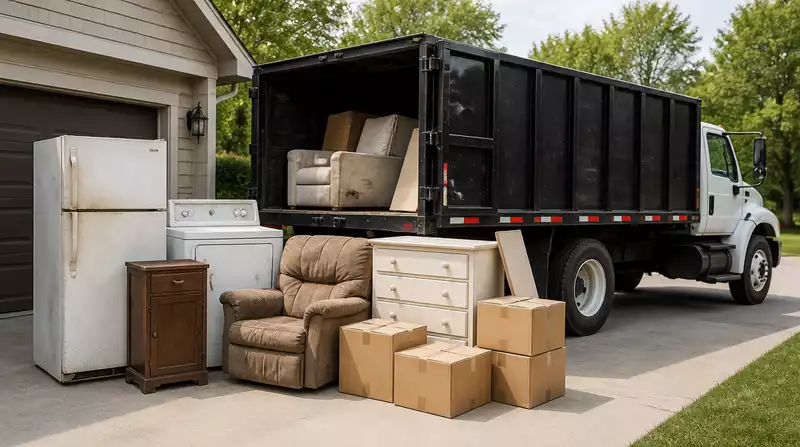
Heavy and bulky items can take many forms in rental properties. Common examples include:
It's essential to identify these items during tenant turnover so you can manage their disposal effectively. Additionally, be aware of hazardous items like old paint or chemicals, which require special handling and disposal methods. By being proactive, you can streamline the cleanup process and avoid last-minute scrambles!
When it comes to hazardous materials, landlords must adhere to specific regulations. Common hazardous items might include:
Disposing of these items incorrectly can lead to environmental damage and legal repercussions. Always consult your local regulations on hazardous waste disposal to ensure compliance. If you're unsure, reach out to a professional service like Rubbish Lift, which specializes in safe and responsible waste removal!
Each locality has its own regulations regarding bulk waste pickup. Typically, you'll need to check:
By understanding these guidelines, you can avoid fines and ensure a smoother waste removal process. Being well-informed helps you manage your properties effectively and provides peace of mind during tenant transitions!
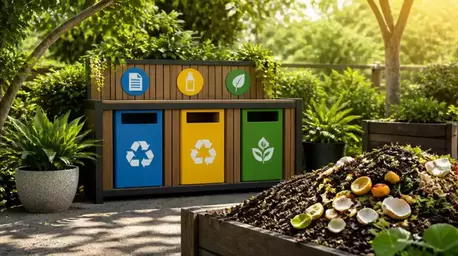
Consider donation and recycling as first options for heavy items you no longer need. Many local charities and recycling centers gladly accept heavy furniture and appliances. This not only helps your community but also reduces landfill waste!
To find organizations that accept such donations, you can:
Taking these steps makes disposal a win-win situation. Your unwanted items can help others while you declutter your property efficiently! For more tips on responsible disposal, explore responsible ways to dispose of furniture.
If you opt for a junk removal service, it’s essential to choose wisely. Here are key considerations:
By following these steps, you'll ensure you hire a reliable service that can handle heavy items safely. At Rubbish Lift, we pride ourselves on transparent pricing and efficient service, making it easier for landlords like you to manage rubbish removal!
When it comes to disposing of large items, you may find yourself choosing between curbside pickup and renting a dumpster. Each option has its pros and cons:
Consider your specific needs and budget when making this decision. It's all about what works best for you and your property during those crucial tenant turnover periods! For more insights into efficient waste management, check out these efficient rubbish removal solutions.
Disposing of electronic items and appliances requires careful consideration. Many of these items can be recycled, which is not only the responsible choice but also often legally mandated. For instance, you should look for:
By exploring these options, you can ensure that you're disposing of electronics safely and sustainably. It's a crucial step in being a responsible landlord and protecting the environment!
Did you know? Engaging with local charities not only benefits your community but can also provide tax deductions for your donations. Keep track of your contributions and obtain receipts to optimize your disposal costs while helping those in need!
For landlords, managing disposal costs can be a challenge, but with the right strategies, it’s possible to find solutions that are both effective and budget-friendly. I always recommend assessing all available options before making a decision. This ensures you're not only compliant but also optimizing your resources.
Let’s dive into the various methods of disposal and how they stack up against each other in terms of cost. Understanding the financial implications of each option will help you choose the most efficient path for your heavy item disposal.
When it comes to heavy item disposal, costs can vary significantly based on the method you choose. Here’s a quick breakdown of common disposal options:
Evaluating these options gives you a clearer picture of your financial responsibilities. It’s worth noting that while some methods have upfront costs, others like donations can offer tax deductions, which might balance the overall expense. For more details on cost-effective approaches, consider checking out affordable heavy rubbish removal tips.
To make your disposal process smoother, I've created a handy checklist you can download. This checklist highlights key steps and documentation requirements for effectively triaging move-out items. Here’s what it includes:
Having a checklist not only keeps you organized but also helps ensure you don’t miss any critical steps in the process. Feel free to reach out to Rubbish Lift for additional tips on managing your heavy item disposal efficiently!
Another great way to dispose of unwanted items responsibly is to participate in community cleanup events or reuse programs. These initiatives are beneficial for both the environment and your budget. Here’s how you can get involved:
By engaging in these community efforts, you not only help keep your neighborhood clean but also promote the reuse of items that could still be useful to someone else. It’s a win-win situation that aligns perfectly with Rubbish Lift’s mission of responsible waste management!
Here are some common questions landlords have about heavy item disposal:
Landlords have a legal and ethical duty to dispose of heavy items properly to avoid fines, liabilities, and safety hazards, ensuring a safe living environment for tenants.
Common items include furniture (sofas, mattresses), appliances (refrigerators, washing machines), construction debris, old paint, automotive fluids, batteries, and electronics.
Landlords should check local government websites for acceptable items, designated collection days, and any associated fees to avoid penalties and streamline the removal process.
Donation is often free and can offer tax deductions. City pickup can be minimal to moderate in cost. Dumpster rentals range from $300-$600, while junk removal services typically cost $100-$1,000 depending on volume.
Donation and recycling help the community, reduce landfill waste, and can sometimes provide tax benefits, making it an environmentally and financially responsible choice.
Here is a quick recap of the important points discussed in the article:
Ethan Grayson is a seasoned expert in waste management and rubbish removal, committed to providing practical solutions for both residential and commercial needs. With years of experience in the field, Ethan specializes in efficient hauling services that cater to contractors, landlords, and homeowners undergoing renovations. His no-nonsense approach and dedication to transparent pricing make him a trusted voice in the industry.