Wood
Can often be reused or recycled.
Did you know that improper disposal of renovation debris can not only harm the environment but also cost you more in the long run? As you embark on your next renovation project, understanding how to properly handle your waste can save you both time and money.
The following visual summarizes the common types of renovation debris, their disposal methods, and associated costs.
Can often be reused or recycled.
Requires special handling due to gypsum content.
Can be recycled if clean and intact.
Often crushed and reused as aggregate.
Can be recycled easily, making it valuable.
Items like paints and solvents need special disposal methods.
When it comes to renovation projects, understanding how to properly dispose of debris is crucial. Not only does it help maintain a clean workspace, but it also minimizes environmental impact. At Rubbish Lift, we know that handling renovation debris efficiently can save you time and money, so let’s dive into the types of debris you'll encounter and their effects! For more insights on effective waste management, check out our guide on effective construction waste management.
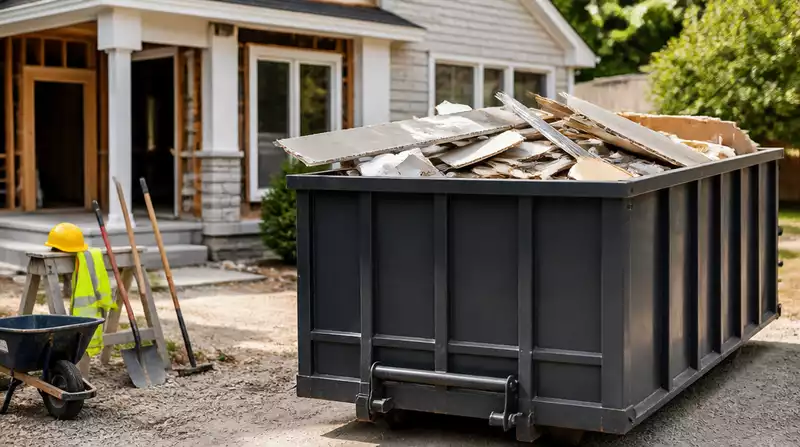
Renovation debris consists of various materials, including wood, drywall, concrete, and metal. Each type can have different environmental implications if not disposed of correctly. For instance, untreated wood can attract pests, while drywall can release harmful dust into the air when improperly handled.
Additionally, improper disposal can lead to landfill overflow, which not only affects our surroundings but also contributes to climate change. To make a positive impact, it’s important to be aware of how each type of debris affects the environment. Remember, every little bit counts!
Sorting your renovation debris starts with identifying the different materials involved. Here’s a quick guide:
By knowing what materials you're dealing with, you can make informed decisions about disposal options. It’s all about being smart and proactive!
Some items simply cannot go in your regular trash bin. Understanding these restrictions is key to compliance and avoiding fines. Here are some common items that require special handling:
At Rubbish Lift, we emphasize the importance of following local regulations to ensure safety and compliance. Not only is it the law, but it’s also the right thing to do! For more information on handling specific items, learn about responsible ways to dispose of furniture and other large items.
Sorting your waste effectively can significantly reduce the environmental impact of your renovation project. Here are the benefits of proper waste segregation:
By prioritizing waste segregation, you’re not just cleaning up; you’re making a positive impact on your community and environment! It’s a win-win situation.
Now that we've covered the basics of renovation debris, it’s time to explore ways to reduce waste. This doesn’t just help the environment; it can also save you money!
Did you know? Implementing a clear waste management plan before starting your renovation can save you both time and money. By categorizing your debris ahead of time, you can streamline the disposal process, reduce costs associated with last-minute junk removal, and even identify materials that can be reused or donated, making your renovation more sustainable!
When it comes to renovation debris disposal, understanding the importance of compliance and adopting environmentally responsible practices can make a huge difference. Following the rules not only keeps you on the right side of local regulations but also helps minimize your project's environmental impact. By being mindful of how you handle waste, you can contribute to a healthier planet while managing your renovation effectively.
Moreover, knowing the types of materials you are dealing with and their required disposal methods will aid in making informed decisions. It’s crucial to identify which items can be recycled, reused, or need special handling. By doing this, you can streamline your disposal process and reduce the overall waste sent to landfills. Trust me, it’s a win-win situation!
Utilizing local resources can significantly ease the burden of demolition waste management. Rubbish Lift prides itself on being a resource for contractors and homeowners alike by providing tailored solutions for rubbish removal. Here are some key local resources you should consider:
Engaging these resources not only makes the process smoother but also allows you to maximize recycling efforts. It’s about finding the right balance between keeping your project on track and being responsible towards the community and environment. For those undertaking major projects, consider exploring rubbish removal for renovation projects to simplify your waste management.
When planning your renovation, it’s essential to consider the cost of disposal. Different methods come with varying fees, and understanding these can help you budget effectively. Here are some common disposal options along with their potential costs:
By weighing these costs against your project needs, you can avoid unexpected expenses and keep your renovation budget intact. Planning ahead is key!
To enhance your understanding of renovation debris disposal, let’s address some common questions:
These FAQs can help clear up any confusion you may have about the disposal process, ensuring you make informed choices throughout your renovation.
As you embark on your renovation journey, I encourage you to assess your project and choose the most suitable disposal method. Take the time to understand your options and engage local resources like Rubbish Lift for a reliable rubbish removal experience. Remember, effective planning leads to smoother execution! So, let’s reclaim that space and keep it clean for future use! For more information on making smart choices, explore our guide on efficient rubbish removal solutions.
Here is a quick recap of the important points discussed in the article:
Ethan Grayson is a seasoned expert in waste management and rubbish removal, committed to providing practical solutions for both residential and commercial needs. With years of experience in the field, Ethan specializes in efficient hauling services that cater to contractors, landlords, and homeowners undergoing renovations. His no-nonsense approach and dedication to transparent pricing make him a trusted voice in the industry.