Reduced Disposal Fees
Less waste means lower costs for landfill fees. Savings can accumulate significantly over time.
Effective waste management isn't just a regulatory requirement; it’s a pathway to sustainability and cost savings in construction. With a significant portion of construction site waste impacting the environment, understanding how to manage it efficiently can differentiate successful projects from those that falter.
Understanding the financial impact of efficient waste management reveals key areas of savings that positively affect construction projects. This comprehensive approach helps contractors and project managers alike in identifying opportunities for better financial performance and environmental stewardship. For more details on managing specific types of waste, consider these contractor waste disposal tips.
Less waste means lower costs for landfill fees. Savings can accumulate significantly over time.
Selling recyclable materials can provide additional income, further offsetting project costs.
Efficient practices lead to less material waste and subsequent repurchases, saving money.
Streamlined processes require less labor time for waste management, further reducing expenses.
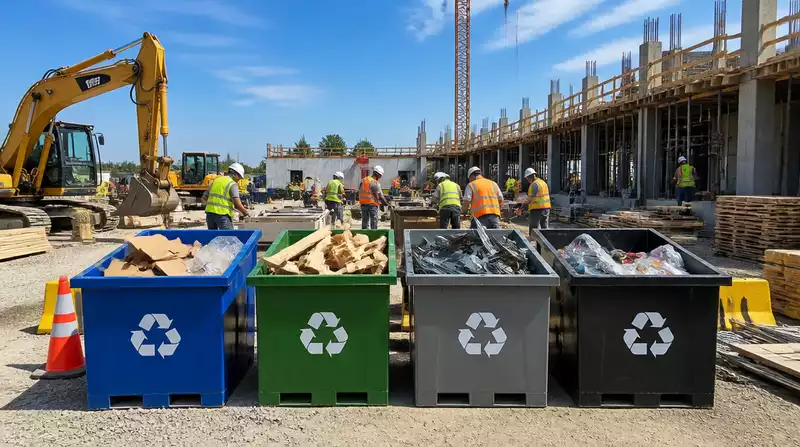
When it comes to construction, waste management is a critical aspect that often gets overlooked. Construction site waste refers to the debris and materials left over after building or renovation projects. This waste can significantly impact the environment, contributing to pollution and resource depletion. Understanding the types of waste generated and their implications can help us adopt effective strategies to manage them efficiently.
Construction site waste can be categorized into several types, including organic waste, hazardous materials, and construction debris such as wood, metal, and concrete. Each type poses unique challenges and risks to the environment. For instance, hazardous materials can contaminate soil and water, while construction debris contributes to landfill overflow if not properly disposed of.
Moreover, the environmental impact is not just about waste; it extends to carbon emissions from transporting that waste. By managing construction site waste more effectively, we can reduce these emissions and promote sustainability. This understanding reinforces how vital it is to have a well-defined waste management strategy in place, especially when considering hauling renovation debris efficiently.
Efficient waste management is not just a best practice; it's a necessity! It helps minimize costs, reduces the environmental footprint, and enhances project efficiency. When we manage waste effectively, we can allocate resources better, which is essential for any construction project, whether you're a contractor or a homeowner.
Here are some key benefits of efficient waste management in construction:
Incorporating green building practices into construction projects can significantly enhance waste management efforts. These practices focus on sustainability, from design to demolition. For example, using recyclable materials or sourcing locally helps reduce waste at every stage. Adopting these methods not only benefits the environment but can also attract clients who value sustainability.
Consider these green building practices that promote effective waste management:
At Rubbish Lift, we see the positive impact of adopting these practices firsthand. We strive to not only remove waste but also promote sustainable solutions that align with our mission of efficient and reliable rubbish hauling. Understanding and implementing effective waste management strategies is the first step toward a cleaner, greener construction process! For more details on environmentally sound disposal, read about responsible ways to dispose of furniture.
Did you know that implementing a waste management plan at the very beginning of your construction project can lead to up to a 30% reduction in overall waste? By planning ahead and incorporating sustainable practices, you can significantly lower disposal costs and improve your project's environmental footprint!
Understanding the financial impact of efficient waste management is essential for any construction project. By quantifying the savings from reduced waste diversion, we can see how a well-organized waste strategy can benefit both the environment and your bottom line. When you invest in proper waste management, you’re not just cleaning up; you’re making decisions that can lead to significant cost savings!
To break it down, here are some key savings that can result from an effective waste management plan:
When you look at these factors together, the benefits of investing in waste management become clear. Additionally, implementing a cost-benefit analysis allows project managers to identify specific areas for improvement. It encourages the adoption of sustainable practices that ultimately lead to reduced waste and increased savings.
So, how do we actually quantify these savings? The process involves a systematic approach that tracks waste generation, disposal costs, and recycling efforts. Start by collecting data at the project’s onset and continually monitor it throughout the lifecycle. Here’s a simple approach you can follow:
By maintaining accurate records, you can assess how your efforts in waste diversion translate into real savings. This information is invaluable for future projects as it aids in refining strategies and improving efficiency.
Benchmarking is a powerful tool that allows construction teams to compare waste management efficiency across different projects. By establishing key performance indicators (KPIs), we can evaluate how well waste is being managed and identify areas needing improvement. Here are some KPIs to consider:
Comparing these metrics across projects not only helps in identifying best practices but also encourages accountability and continuous improvement in waste management strategies. At Rubbish Lift, we believe in the power of these insights to enhance our services and support our clients in their sustainability goals!
Engaging stakeholders is crucial for the success of any waste management strategy. To create a more effective approach, it's important to involve everyone from project managers to subcontractors. A clear line of communication fosters collaboration and encourages shared responsibility for waste management practices.
A practical implementation checklist can guide site managers in ensuring all waste management tasks are executed efficiently. Here’s a simple yet effective checklist to consider:
By using a checklist, site managers can ensure that important tasks don’t fall through the cracks. It helps maintain accountability and encourages a proactive approach to waste management, ensuring efficient rubbish removal solutions are always in practice.
As waste management can be complex, many people have questions. Here are some common concerns:
Addressing these questions early on can help mitigate concerns and set clear expectations. Open communication is key, and it’s always best to seek expert advice when uncertain!
When it comes to sustainable construction practices, engaging with stakeholders is essential. It builds a culture of responsibility and commitment throughout the project. Collaborative efforts can lead to innovative solutions for reducing waste and improving efficiency.
Regular meetings and updates can keep everyone informed and aligned on waste management goals. Plus, sharing successes and challenges fosters a sense of teamwork and inspires continuous improvement. For more comprehensive approaches, explore efficient rubbish removal solutions to integrate into your projects.
As we wrap up, let’s recap some key strategies for efficient waste management:
By following these best practices, you can significantly minimize waste and contribute to a more sustainable construction industry. Remember, every little bit helps, and together we can make a difference!
In closing, embracing sustainable construction practices isn't just beneficial for the environment—it makes good business sense. By implementing effective waste management strategies, you can improve efficiency, save money, and enhance your company's reputation. So, let’s work together to ensure that our construction sites are as clean and efficient as possible!
If you're ready to take the next step in effective waste management, contact Rubbish Lift today! We’re here to provide expert guidance and support as you implement these essential strategies. Let’s work together to create cleaner, more sustainable construction sites—one project at a time!
Here is a quick recap of the important points discussed in the article:
Ethan Grayson is a seasoned expert in waste management and rubbish removal, committed to providing practical solutions for both residential and commercial needs. With years of experience in the field, Ethan specializes in efficient hauling services that cater to contractors, landlords, and homeowners undergoing renovations. His no-nonsense approach and dedication to transparent pricing make him a trusted voice in the industry.