Disposing Heavy Furniture Made Easy
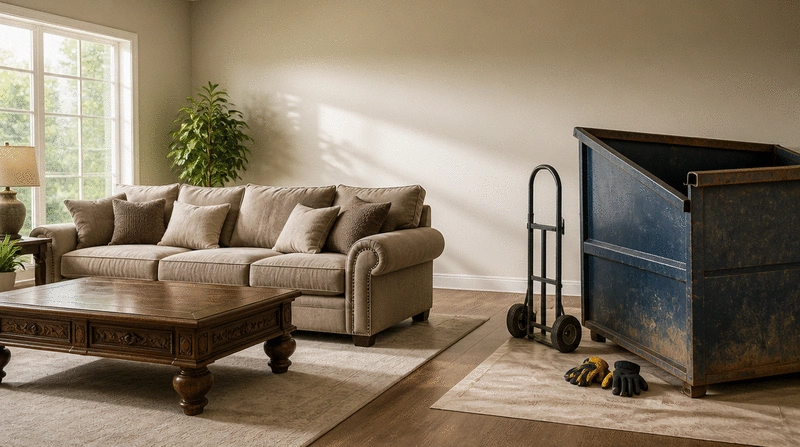
When embarking on renovations, the challenge of removing heavy furniture can often lead to accidents and injuries. However, with careful planning and the right techniques, you can ensure a safe and efficient process. Here’s a straightforward guide to help you navigate the complexities of furniture removal during renovations.
What You Will Learn
- Assess your space and furniture dimensions to strategize removal effectively.
- Utilize essential tools like dollies, straps, and safety gear to minimize injury risks.
- Create clear pathways for efficient movement and avoid obstacles during furniture removal.
- Follow safe lifting techniques, including using your legs and maintaining proper body mechanics.
- Understand the legal aspects of hazardous waste disposal related to furniture removal.
- Incorporate furniture disposal into your renovation timeline for better organization.
- Explore eco-friendly disposal options like recycling and upcycling to promote sustainability.
Essential Steps for Safe Heavy Furniture Removal During Renovations
Understanding the key steps and considerations for safe heavy furniture removal can significantly enhance your renovation experience. Below are the essential components of this process. For more detailed information on responsible furniture disposal, explore our related articles.
Key Considerations Before Starting
- Measure the dimensions of your furniture
- Identify narrow passages and doorways
- Check for stairs or tight corners
Tools and Safety Gear
- Furniture dollies for wheeling items
- Straps for securing and lifting
- Gloves for better grip and hand protection
- Moving blankets to protect surfaces
Best Practices for Safe Lifting
- Always lift with your legs
- Keep the load close to your body
- Use your core to stabilize
Creating Clear Pathways
- Clear away rugs, cords, or furniture
- Ensure proper lighting in the area
- Plan your exit route in advance
Using Moving Aids
- Dollies allow you to roll heavy items instead of lifting
- Straps help distribute weight and make lifting easier
- Both tools can reduce the risk of injury significantly
Essential Steps for Safe Heavy Furniture Removal During Renovations
When it comes to heavy furniture removal during renovations, being prepared is essential. Not only can lifting bulky items be physically demanding, but it can also lead to accidents if you don't have a plan in place. So, let's dive into the essential steps that will help you manage heavy furniture safely and efficiently, ensuring a smoother renovation experience.
Preparing for Heavy Furniture Disposal: Key Considerations
Before you start lifting anything, it's crucial to assess your space and the type of furniture you need to remove. First, take a good look at what you’re dealing with. Is it an oversized couch that barely fits through the doorway, or perhaps a heavy dining table? A clear understanding of the dimensions will guide your next steps and help you plan accordingly.
In addition to assessing the furniture, consider any obstacles in your path. Do you have narrow hallways or stairs to navigate? Knowing these details will help you strategize the best way to tackle the removal process. A well-thought-out plan not only saves time but also minimizes stress! For further tips on managing renovation debris, check out our guide on hauling renovation debris.
Assessing Your Space and Furniture Type
Here’s a quick checklist to help you assess your space:
- Measure the dimensions of your furniture
- Identify narrow passages and doorways
- Check for stairs or tight corners
With this information, you can decide whether you’ll need assistance or special equipment for the job. This is especially true if you're like me at Rubbish Lift, where we tackle heavy items every day!
Tools and Safety Gear for Heavy Item Handling
Once you've evaluated your furniture and space, gather the right tools and safety gear. This will ensure that you can handle heavy items without risking injury. Essential tools include:
- Furniture dollies for wheeling items
- Straps for securing and lifting
- Gloves for better grip and hand protection
- Moving blankets to protect surfaces
Wearing safety gear, such as sturdy shoes and knee pads, can also help prevent injuries during the lifting process. At Rubbish Lift, we always emphasize safety first, so make sure you're equipped for the task!
Creating Clear Pathways for Efficient Movement
To ensure efficient movement while removing heavy furniture, you'll want to create clear pathways. This might seem simple, but it can make a significant difference in both safety and efficiency. Start by removing any obstacles that could trip you up during the process.
Once the path is clear, take a moment to plan your routes. Think about where the furniture will go after removal. Are you heading outside, or are you moving it to another room? A well-planned route minimizes unnecessary lifting and keeps the process flowing smoothly.
Removing Obstacles and Planning Routes
Here's a checklist for creating clear pathways:
- Clear away rugs, cords, or furniture
- Ensure proper lighting in the area
- Plan your exit route in advance
Taking these steps will help you avoid any surprises and make your heavy furniture removal less of a hassle.
Using Moving Aids: Furniture Dollies and Straps
Don't underestimate the power of moving aids! Furniture dollies and lifting straps can save your back and make the process far more efficient. Here’s how they can help:
- Dollies allow you to roll heavy items instead of lifting
- Straps help distribute weight and make lifting easier
- Both tools can reduce the risk of injury significantly
Having moving aids on hand is especially helpful when dealing with cumbersome furniture. At Rubbish Lift, we often use these tools to ensure safe and efficient hauling for our clients!
Understanding Heavy Lifting Techniques
Now that your pathways are clear and you’re equipped with the right tools, it’s time to talk about lifting techniques. Proper lifting techniques are critical to preventing injuries during heavy furniture removal.
Start by positioning your body correctly. Keep your feet shoulder-width apart and bend at the knees, not at the waist. This position helps you use your legs to lift rather than straining your back. Always lift with your legs while keeping your back straight. If the item is too heavy, don't hesitate to ask for help or consider efficient rubbish removal solutions!
Best Practices for Safe Lifting
Here are some best practices to follow for safe lifting:
- Always lift with your legs
- Keep the load close to your body
- Use your core to stabilize
Remember, safety is key! It’s better to take a moment to understand the best approach than to rush and risk injury.
Utilizing Proper Body Mechanics
When lifting heavy furniture, using proper body mechanics is essential. This involves not only how you lift but also how you move with the load. Here are a few tips:
- Turn your body instead of twisting at the waist
- Take small steps while carrying heavy items
- Use your legs to lower items, not your back
By following these techniques, you can make heavy lifting a lot safer and more manageable. At Rubbish Lift, we prioritize these methods to ensure our team and clients stay safe throughout the furniture removal process!
Pro Tip
Did you know? Planning your furniture removal around busy times can greatly enhance your efficiency. Aim to schedule heavy lifting during off-peak hours when you have fewer distractions. This not only helps maintain focus but also allows for easier navigation through tight spaces!
Ensuring Safe and Compliant Heavy Furniture Disposal
When you're in the midst of a renovation, safe disposal of heavy furniture is just as crucial as the renovation itself. At Rubbish Lift, we understand that it’s not just about getting rid of items; it's about doing it safely and responsibly. There are several legal and safety considerations that every home renovator must keep in mind to avoid pitfalls and injuries during this process.
Legal and Safety Considerations for Home Renovators
One of the first steps is understanding how to handle hazardous waste, which can sometimes be a part of old furniture disposal. Local regulations differ, so it’s essential to check what is permissible in your area. This might include items like treated wood, which can contain harmful chemicals, or electronics that need special disposal methods.
Additionally, keeping yourself and others safe is paramount. Preventing injuries should be a priority; improper lifting techniques can lead to serious accidents. Follow these best practices to ensure safety:
- Always lift with your legs, not your back.
- Get help for large items—don’t risk injury by going solo.
- Keep your workspace tidy to avoid tripping hazards.
Handling Hazardous Waste and Local Regulations
Handling hazardous waste properly is not only responsible but often required by law. Here are some tips to navigate this:
- Contact your local waste management authority to find out what materials need special handling.
- Look for designated drop-off locations for hazardous items.
- Always follow the guidelines for disposal to avoid fines or legal issues.
Preventing Injuries: Best Practices for Lifting and Moving
Injuries can be a major setback during renovations. Adopting safe lifting techniques is vital. Always remember to:
- Plan your route before lifting.
- Wear appropriate safety gear, such as gloves and supportive footwear.
- Use tools like hand trucks or dollies whenever possible to move heavy items.
Creating a Renovation Timeline with Disposal in Mind
Disposal is often overlooked in renovation timelines, but it's important to integrate it into your overall plan. Create a timeline that includes furniture removal to keep your project on track. Here’s how you can do this:
- Identify when renovation will begin and allow for furniture removal beforehand.
- Schedule specific days for disposal during the renovation phase.
- Consider waiting until the end to remove smaller items, as long as it doesn’t impede work.
Integrating Furniture Removal into Your Remodeling Schedule
Creating a cohesive remodeling schedule that includes furniture disposal can streamline the entire process. Align your furniture removal days with major renovation milestones to optimize efficiency. This approach not only saves time but also minimizes clutter, allowing for a smoother workflow.
Room-by-Room Planning for Efficient Renovation Disposal
When planning to dispose of furniture, take a room-by-room approach. This helps to avoid chaos and keeps things organized. For each room, consider:
- What can be removed early to create space?
- What items are essential to keep until renovation completion?
- When each piece will be disposed of or moved out.
Eco-Friendly Disposal Options
At Rubbish Lift, we believe in responsible disposal, which is why we advocate for eco-friendly options. Not only are these methods good for the planet, but they can also add value to your project. Let’s explore a few options:
- Look for local recycling centers that accept furniture materials.
- Participate in community programs that promote sustainable disposal practices.
- Consider upcycling or refurbishing old furniture instead of tossing it out.
Recycling Centers and Programs
Recycling centers can often take larger items that would otherwise end up in a landfill. Reach out to local facilities or check online for programs that specialize in furniture recycling. This not only helps the environment but can also contribute to reducing waste in your community. For detailed insights on affordable heavy rubbish removal, visit our blog.
Upcycling and Refurbishing Furniture
If you're feeling creative, upcycling provides a unique opportunity to give new life to your old furniture. This could mean:
- Painting or staining to match your new decor.
- Repurposing furniture into different uses—like turning an old dresser into a TV stand.
- Donating items you can no longer use but are still in good condition.
By focusing on these strategies, you can ensure a safe and compliant heavy furniture disposal process that aligns with your renovation goals. At Rubbish Lift, we are here to assist you in making this transition as seamless and responsible as possible!
Frequently Asked Questions (FAQs)
- 1. What are the essential steps for safe heavy furniture removal during renovations?
- The essential steps include assessing your space and furniture, gathering the right tools and safety gear, creating clear pathways, and understanding proper lifting techniques.
- 2. What tools and safety gear are recommended for heavy furniture removal?
- Recommended tools include furniture dollies, lifting straps, gloves for grip, and moving blankets. For safety, sturdy shoes and knee pads are also advisable.
- 3. How can I prevent injuries when lifting heavy furniture?
- Prevent injuries by always lifting with your legs (not your back), keeping the load close to your body, using your core to stabilize, and asking for help with large or heavy items.
- 4. What are the legal and safety considerations for furniture disposal?
- It's crucial to understand local regulations regarding hazardous waste disposal (e.g., treated wood, electronics). Always follow guidelines to avoid fines and ensure environmental responsibility.
- 5. How can I integrate furniture removal into my renovation timeline?
- Plan specific days for furniture removal, align them with major renovation milestones, and consider a room-by-room approach to maintain organization and efficiency.
- 6. What are some eco-friendly options for disposing of old furniture?
- Eco-friendly options include utilizing local recycling centers that accept furniture materials, participating in community programs, or upcycling/refurbishing old furniture to give it new life.
Recap of Key Points
Here is a quick recap of the important points discussed in the article:
- Assess your space and furniture type before removal to strategize effectively.
- Gather essential tools and safety gear, including dollies, straps, gloves, and moving blankets.
- Create clear pathways by removing obstacles and planning your exit routes.
- Utilize proper lifting techniques: always lift with your legs and keep the load close to your body.
- Understand legal and safety considerations for hazardous waste disposal to ensure compliance.
- Integrate furniture removal into your renovation timeline to keep your project organized and efficient.
- Explore eco-friendly disposal options, such as recycling centers and upcycling, to minimize environmental impact.

Ethan Grayson
Ethan Grayson is a seasoned expert in waste management and rubbish removal, committed to providing practical solutions for both residential and commercial needs. With years of experience in the field, Ethan specializes in efficient hauling services that cater to contractors, landlords, and homeowners undergoing renovations. His no-nonsense approach and dedication to transparent pricing make him a trusted voice in the industry.
Popular Posts
Eco-Friendly Rubbish Hauling Practices
![Eco-Friendly Rubbish Hauling Practices]() As the rubbish hauling industry evolves, the emphasis on sustainable practices has never been more c
As the rubbish hauling industry evolves, the emphasis on sustainable practices has never been more c
 As the rubbish hauling industry evolves, the emphasis on sustainable practices has never been more c
Sustainable Rubbish Disposal Options
![Sustainable Rubbish Disposal Options]() Did you know that sustainable waste management can create new jobs while significantly reducing poll
Did you know that sustainable waste management can create new jobs while significantly reducing poll
 Did you know that sustainable waste management can create new jobs while significantly reducing poll
Heavy Furniture Removal FAQs
![Heavy Furniture Removal FAQs]() Did you know nearly 70% of individuals who attempt to move heavy furniture alone end up seeking prof
Did you know nearly 70% of individuals who attempt to move heavy furniture alone end up seeking prof
 Did you know nearly 70% of individuals who attempt to move heavy furniture alone end up seeking prof
Effortless Heavy Lifting for Renovations
![Effortless Heavy Lifting for Renovations]() Considering a home renovation? Heavy lifting services can significantly simplify the process and enh
Considering a home renovation? Heavy lifting services can significantly simplify the process and enh
 Considering a home renovation? Heavy lifting services can significantly simplify the process and enh
